Umm…how am I feeling today after spending so much time goin thru airports security?
Blog
-
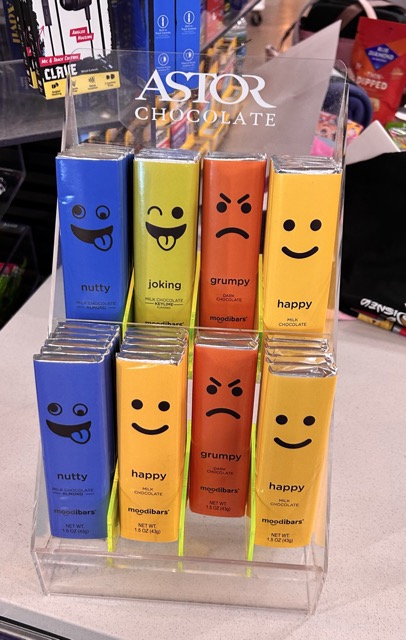
On my way to Denver
-
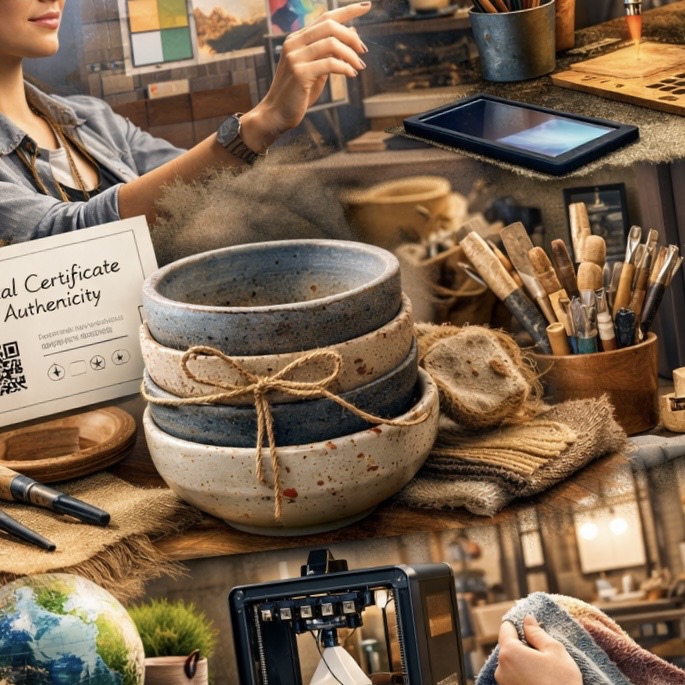
Art and Craft in 2026: Where the Human Hand Meets Intelligent Tools
In 2026, art and craft sit at a fascinating crossroads. They are no longer defined by a single medium, method, or philosophy, but by an ongoing conversation between tradition and technology, speed and slowness, individuality and global connection. What makes this moment unique is not simply new tools, but a renewed clarity about why people make things at all.
A Return to the Handmade—With New Intent
After years of digital saturation, craft in 2026 is deeply intentional. Pottery, textile work, woodworking, printmaking, bookbinding, and other tactile practices are experiencing a quiet renaissance. People are not rejecting technology; they are reclaiming the sensory experience of making.
What has changed is context. A hand-thrown ceramic bowl today may be sold through a global marketplace, documented on short-form video, and paired with digital certificates of authenticity. The object remains handmade, but its life extends far beyond the studio.
Craft is no longer seen as nostalgic or secondary to “fine art.” Instead, it is valued for its honesty, durability, and connection to time—qualities increasingly rare in an instant economy.
AI as Collaborator, Not Replacement
In 2026, artificial intelligence is firmly embedded in the creative process, but its role is clearer and more disciplined than in earlier experimental years. Artists use AI to:
- Explore compositions and color palettes
- Generate reference material or variations
- Prototype ideas rapidly before committing to physical materials
- Translate concepts across mediums (text → image → object)
Crucially, authorship has become a cultural focus. Artists openly document how AI is used, positioning it as a tool—much like a camera, loom, or printing press—rather than a substitute for creative intent.
The most respected work blends human judgment with computational possibility. Imperfection, choice, and restraint are now markers of authenticity.
Craft as Resistance to Disposability
Sustainability is no longer a trend; it is a baseline expectation. In 2026, art and craft increasingly reject mass production, synthetic excess, and planned obsolescence.
Materials matter:
- Natural fibers over plastics
- Local clays, woods, and pigments
- Reclaimed, recycled, and repurposed components
Artists are transparent about sourcing and process, and audiences are educated enough to care. Craft objects are designed to age, to be repaired, and to accumulate meaning over time.
This shift has made craft quietly political—not loud or didactic, but firm in its values.
Hybrid Spaces and New Economies
The studio of 2026 is rarely just a studio. It is often:
- A workshop and livestream set
- A classroom and content channel
- A local space with global reach
Artists fund their work through a mix of commissions, subscriptions, limited releases, workshops, and digital products. Craft education has expanded beyond institutions into peer-led communities and micro-schools.
The barrier to entry is lower, but the expectation of quality is higher. Audiences are discerning, and trust is earned through consistency and clarity of voice.
Art as Meaning-Making in Uncertain Times
Perhaps most importantly, art and craft in 2026 respond to a world shaped by rapid change—economic shifts, climate pressure, and accelerating automation. In this environment, creative work serves a vital role: helping people slow down, reflect, and reconnect with what is tangible and human.
Art is not only about aesthetics. It is about presence.
Craft is not only about skill. It is about care.
Together, they remind us that progress does not require abandoning the human hand—only reimagining how it works alongside intelligent tools.
-
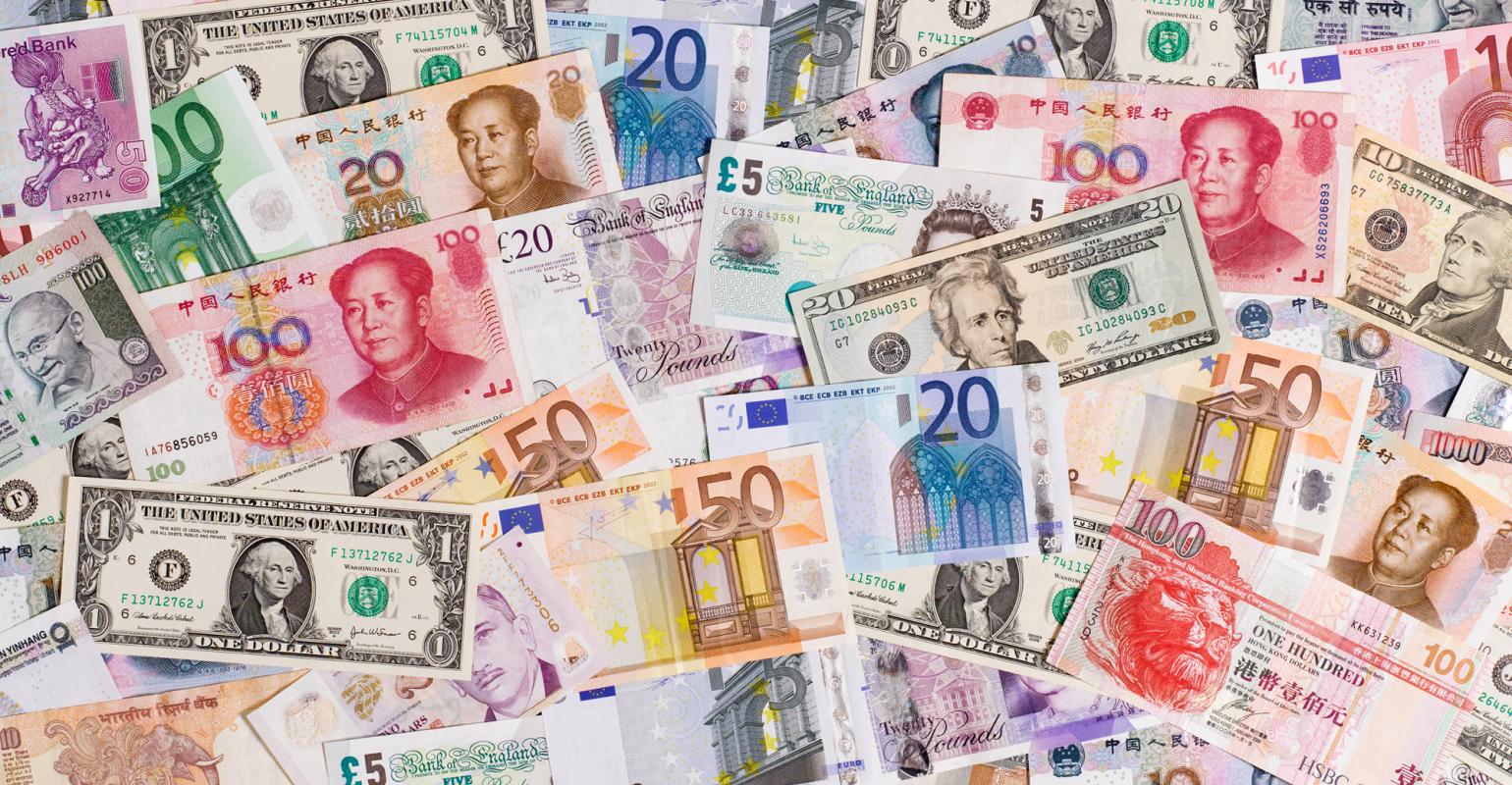
The Global Monetary System in 2026 — Where We Are and Where We’re Headed
By 2026, the global monetary system is no longer operating in crisis mode—but it is far from stable. The extraordinary policies introduced during the COVID era and extended through the early 2020s have fundamentally reshaped how money, debt, and economic growth function worldwide.
What we are seeing now is not a return to the old normal, but the emergence of a new monetary reality.
The End of “Free Money” — Mostly
After years of ultra-low interest rates, most major central banks have shifted toward tighter monetary conditions. Inflation shocks earlier in the decade forced policymakers to act, ending the assumption that cheap money would last forever.
Institutions like the Federal Reserve, European Central Bank, and Bank of England now walk a narrow path:
- Keep inflation under control
- Avoid triggering deep recessions
- Manage historically high debt loads
Interest rates in 2026 are higher than the 2010s, but still low by long-term historical standards. This reflects a difficult truth: the global system cannot easily tolerate truly high rates anymore.
Debt Is the Defining Issue
Global debt—government, corporate, and household—has continued to grow. Instead of being resolved, debt has been normalized.
Governments roll over obligations rather than paying them down. Corporations rely on refinancing. Consumers face persistent pressure from higher living costs combined with elevated borrowing rates.
According to ongoing analysis from the International Monetary Fund, the biggest risk in 2026 isn’t sudden collapse—it’s slow erosion:
- Lower long-term growth
- Reduced fiscal flexibility
- Greater sensitivity to shocks
The system works, but with less margin for error.
A Fragmenting Global Financial Order
The world in 2026 is more economically fragmented than it was a decade ago. Trade blocs, regional alliances, and “friend-shoring” strategies are reshaping capital flows.
This fragmentation affects money directly:
- Currency volatility remains elevated
- Cross-border investment is more selective
- Financial sanctions are now a permanent geopolitical tool
The U.S. dollar remains dominant, but its dominance is increasingly contested, not replaced.
Digital Money Moves From Theory to Infrastructure
One of the biggest shifts by 2026 is that digital money is no longer experimental.
- Central Bank Digital Currency (CBDC) pilots are active in multiple regions
- Real-time payment systems are standard
- Cash usage continues to decline, though it hasn’t disappeared
This doesn’t mean traditional banking is gone—but it does mean money is becoming more programmable, more traceable, and more tightly integrated with policy.
At the same time, decentralized digital assets still exist at the edges of the system, acting more as speculative instruments and alternative rails than true replacements for fiat money.
What the Future Looks Like From 2026
Looking ahead, several trends stand out:
1. Persistent Volatility
Markets are likely to remain choppy. With less monetary “backstop” than before, price discovery is harsher and faster.
2. Financial Discipline Returns — Unevenly
Some governments and companies adapt to higher-cost capital. Others struggle, increasing the risk of localized crises rather than global ones.
3. Monetary Policy Becomes More Political
As debt, inequality, and cost-of-living pressures persist, central banks face growing political scrutiny and pressure.
4. The System Holds — But Changes Shape
Rather than collapse, the global monetary system appears to be evolving under stress, reshaping incentives, behaviors, and expectations.
Conclusion
In 2026, the world’s monetary system is stable enough to function, but fragile enough to demand caution. The era of unlimited stimulus is over, yet the consequences of that era are still being worked through.
The future is unlikely to bring a single dramatic reset. Instead, it points toward a longer period of adjustment—defined by slower growth, tighter financial conditions, and ongoing transformation in how money itself operates.
The question is no longer if the system will change—but how well societies adapt to the version of money that’s emerging.
If you want, I can:
- Make this shorter and more opinionated
- Turn it into a LinkedIn or Medium post
- Rewrite it with a business owner / small investor angle
- Add a 2026 → 2030 outlook section
Just tell me the audience and platform.