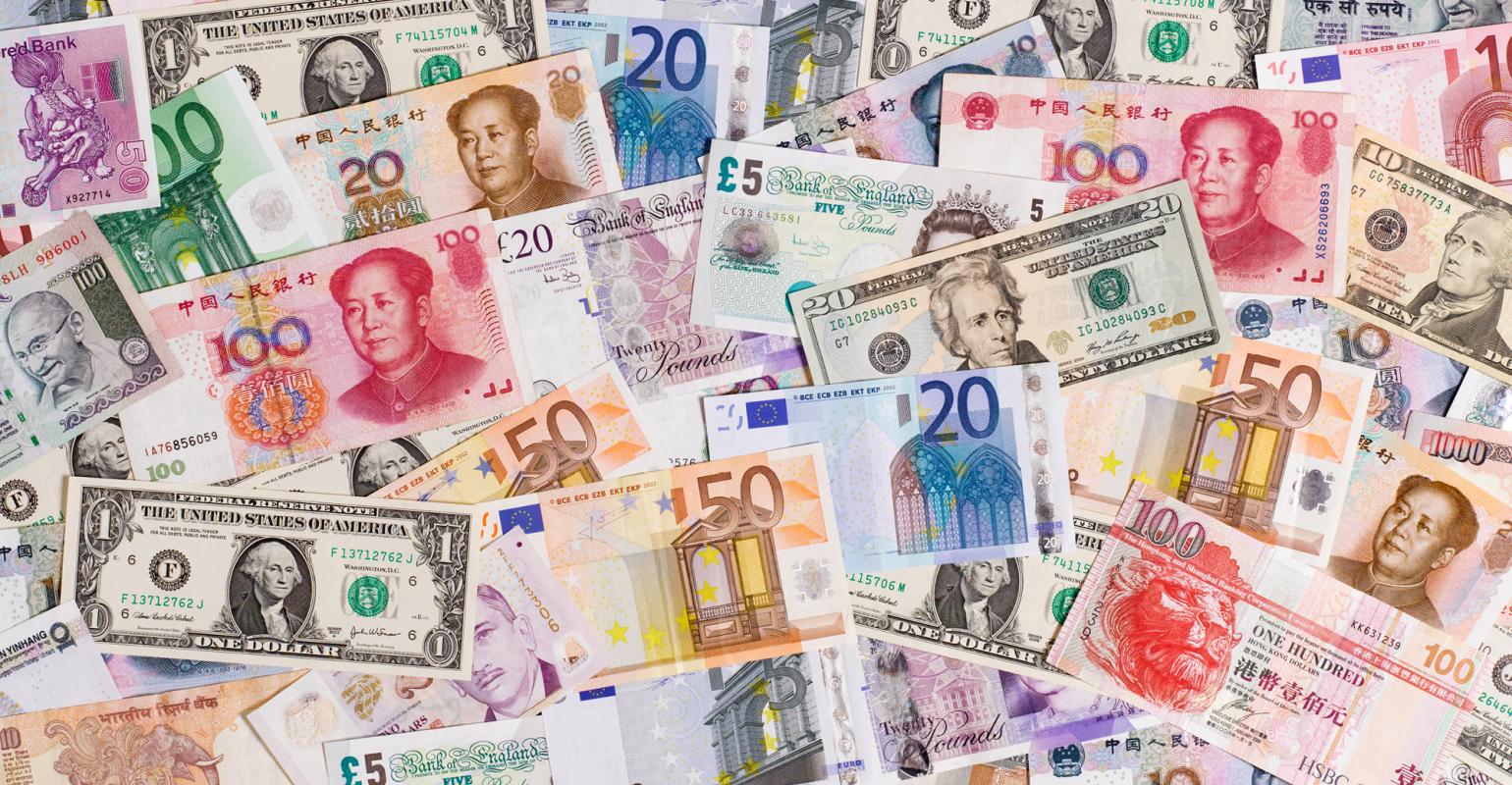
By 2026, the global monetary system is no longer operating in crisis mode—but it is far from stable. The extraordinary policies introduced during the COVID era and extended through the early 2020s have fundamentally reshaped how money, debt, and economic growth function worldwide.
What we are seeing now is not a return to the old normal, but the emergence of a new monetary reality.
The End of “Free Money” — Mostly
After years of ultra-low interest rates, most major central banks have shifted toward tighter monetary conditions. Inflation shocks earlier in the decade forced policymakers to act, ending the assumption that cheap money would last forever.
Institutions like the Federal Reserve, European Central Bank, and Bank of England now walk a narrow path:
- Keep inflation under control
- Avoid triggering deep recessions
- Manage historically high debt loads
Interest rates in 2026 are higher than the 2010s, but still low by long-term historical standards. This reflects a difficult truth: the global system cannot easily tolerate truly high rates anymore.
Debt Is the Defining Issue
Global debt—government, corporate, and household—has continued to grow. Instead of being resolved, debt has been normalized.
Governments roll over obligations rather than paying them down. Corporations rely on refinancing. Consumers face persistent pressure from higher living costs combined with elevated borrowing rates.
According to ongoing analysis from the International Monetary Fund, the biggest risk in 2026 isn’t sudden collapse—it’s slow erosion:
- Lower long-term growth
- Reduced fiscal flexibility
- Greater sensitivity to shocks
The system works, but with less margin for error.
A Fragmenting Global Financial Order
The world in 2026 is more economically fragmented than it was a decade ago. Trade blocs, regional alliances, and “friend-shoring” strategies are reshaping capital flows.
This fragmentation affects money directly:
- Currency volatility remains elevated
- Cross-border investment is more selective
- Financial sanctions are now a permanent geopolitical tool
The U.S. dollar remains dominant, but its dominance is increasingly contested, not replaced.
Digital Money Moves From Theory to Infrastructure
One of the biggest shifts by 2026 is that digital money is no longer experimental.
- Central Bank Digital Currency (CBDC) pilots are active in multiple regions
- Real-time payment systems are standard
- Cash usage continues to decline, though it hasn’t disappeared
This doesn’t mean traditional banking is gone—but it does mean money is becoming more programmable, more traceable, and more tightly integrated with policy.
At the same time, decentralized digital assets still exist at the edges of the system, acting more as speculative instruments and alternative rails than true replacements for fiat money.
What the Future Looks Like From 2026
Looking ahead, several trends stand out:
1. Persistent Volatility
Markets are likely to remain choppy. With less monetary “backstop” than before, price discovery is harsher and faster.
2. Financial Discipline Returns — Unevenly
Some governments and companies adapt to higher-cost capital. Others struggle, increasing the risk of localized crises rather than global ones.
3. Monetary Policy Becomes More Political
As debt, inequality, and cost-of-living pressures persist, central banks face growing political scrutiny and pressure.
4. The System Holds — But Changes Shape
Rather than collapse, the global monetary system appears to be evolving under stress, reshaping incentives, behaviors, and expectations.
Conclusion
In 2026, the world’s monetary system is stable enough to function, but fragile enough to demand caution. The era of unlimited stimulus is over, yet the consequences of that era are still being worked through.
The future is unlikely to bring a single dramatic reset. Instead, it points toward a longer period of adjustment—defined by slower growth, tighter financial conditions, and ongoing transformation in how money itself operates.
The question is no longer if the system will change—but how well societies adapt to the version of money that’s emerging.
If you want, I can:
- Make this shorter and more opinionated
- Turn it into a LinkedIn or Medium post
- Rewrite it with a business owner / small investor angle
- Add a 2026 → 2030 outlook section
Just tell me the audience and platform.
Leave a Reply